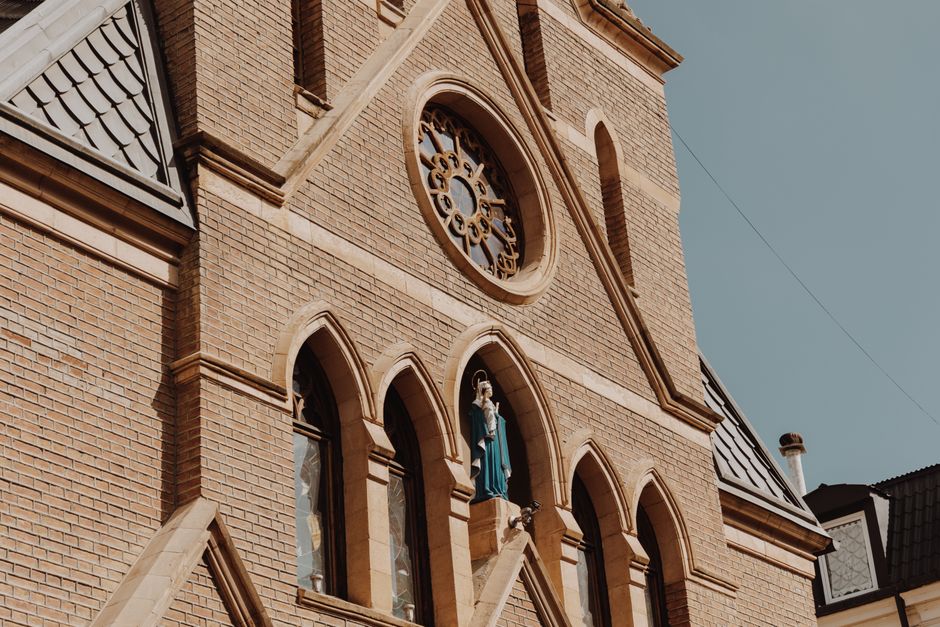
A church is a gathering of believers united by faith in Jesus Christ. It's a spiritual community, a place of worship, and often a physical building where people come together to pray, study Scripture, and support one another. But really, the church is the people, not the building itself.
If you're looking to understand what a church does, why people go, or how to find one that fits your life, you're in the right place. Let's break down what church actually means and why it matters to millions of people worldwide.
What Does a Church Actually Do?
A church serves several key purposes in the lives of its members and in the community.
Worship and spiritual growth. Churches gather for worship services, usually on Sunday mornings, where believers sing, pray, and listen to teachings from Scripture. These services create space for people to connect with God and with each other. Many churches also offer Bible study classes, prayer groups, and discipleship programs to help people deepen their faith.
Community and belonging. Church isn't just about individual faith. It's about being part of a community. People need to know they belong somewhere, especially when life gets hard. Church provides that sense of family and connection. When you're struggling, grieving, or celebrating, your church community walks alongside you.
Teaching and biblical education. Churches teach the Word of God. Whether through Sunday sermons, small group studies, or classes for children and youth, churches help people understand Scripture and apply it to their daily lives. This teaching is foundational to growing in faith.
Related: The Bible: A Foundation for Faith and Healing
Related: What Does an Apostle Do? A Faith Leader's Guide
Service and outreach. Many churches don't just focus inward. They serve their communities through food banks, youth programs, counseling support, and other charitable work. Church is about living out your faith through action.
Why People Go to Church
People have different reasons for attending church, and that's okay. Some come seeking healing. Some want spiritual grounding. Others come for community and friendship.
When you're walking through depression, anxiety, or past trauma, church can be a place where you find others who understand struggle. Apostle Paula L. Hester has spent years helping people understand that faith and mental health aren't enemies. Church can be part of your healing journey when you have a community that sees you as whole and welcome, even on your hardest days.
Books by Apostle Paula L. Hester
See the Books →People also go to church for accountability and encouragement. Knowing that others are praying for you, believing in you, and walking alongside you through life makes a real difference.
Different Types of Church Experiences
Churches vary widely in size, worship style, and focus. Some are large megachurches with hundreds or thousands of members. Others are small, intimate gatherings in homes or community spaces.
Worship style matters to people. Some churches have traditional hymns and quiet reflection. Others have contemporary music, energetic praise, and modern teaching. Some blend both. Your worship preference is valid, and it's worth finding a church where you can genuinely encounter God in a way that resonates with you.
Church size and structure. A big church offers programs, multiple services, and specialized ministries. A small church creates closeness and often feels more like family. Neither is better. It depends on what you need right now.
Doctrinal focus. Different churches emphasize different aspects of Scripture and Christian practice. Some focus heavily on social justice and community outreach. Others prioritize deep teaching and personal discipleship. Some emphasize healing and wholeness. When looking for a church, understanding its core values helps you find the right fit.
How to Find a Church That Fits You
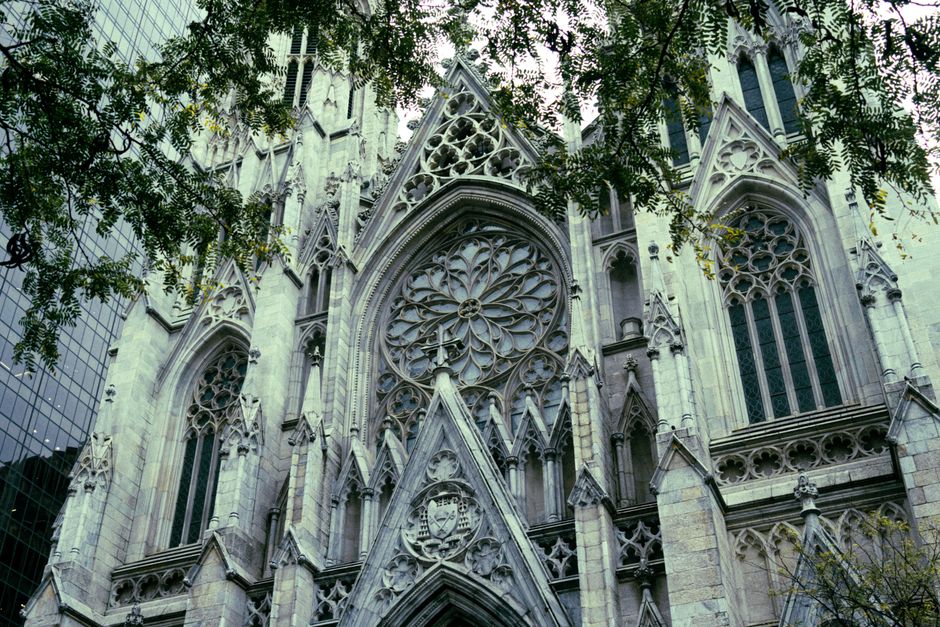
If you're searching for a church, here's how to approach it.
Start by asking what matters most to you. Do you need a church that speaks to mental health and healing? One that's welcoming to people with trauma histories? One that has strong children's programs? One with a specific worship style? Knowing your priorities helps you narrow things down.
Visit multiple churches. Don't settle on the first one. Visit several and pay attention to how you feel. Do people greet you? Do you sense genuine welcome? Does the teaching speak to your heart? Are people authentic, or does it feel performative?
Talk to the leadership. Ask questions about what the church teaches, how it serves the community, and what support they offer for people dealing with real struggles like depression, grief, or past hurt. A healthy church won't shy away from these conversations.
Look for accountability and authenticity. Be cautious of churches that make faith seem easy or that shame people for struggling. A healthy church acknowledges that faith and mental health go together. It validates that you might need both spiritual support and professional counseling. If a church suggests you don't need a therapist because you have Jesus, keep looking.
Church as a Place of Healing and Connection
For people who've experienced abuse, trauma, or loss, church can be sacred ground or triggering space, depending on what happens there. A truly welcoming church creates room for all of you: your faith and your wounds, your strength and your vulnerability.
This is why church community matters so much. When you're rebuilding your life, when you're learning to set boundaries, when you're finding your voice after being silenced, you need people who believe in your healing. You need a place where saying "I'm not okay" doesn't make you less spiritual.
If you're looking for a church that centers healing, wholeness, and the integration of faith with real-life struggle, spend time thinking about what you truly need. Seek out a community that honors your journey. And if you're interested in exploring faith and healing together in deeper ways, Apostle Paula L. Hester offers resources, a podcast, and a community of women committed to this exact work.
Church Leadership and Community Care
Healthy churches invest in their leadership. Pastors, elders, and volunteers need training, support, and accountability. They need to understand mental health, trauma, domestic violence, and the real issues their members face.
A church that doesn't care for its leaders can't effectively care for its people. Pay attention to whether leadership seems burned out or supported. Do they seem real, or are they performing perfection? Are they open about their own struggles, or do they project an image of having it all together?
Community care also means churches should have resources. This might include support groups, counseling referrals, or connections to social services. A church that takes community care seriously will connect you with licensed professionals when you need them, not shame you for seeking outside help.
Starting Your Church Search
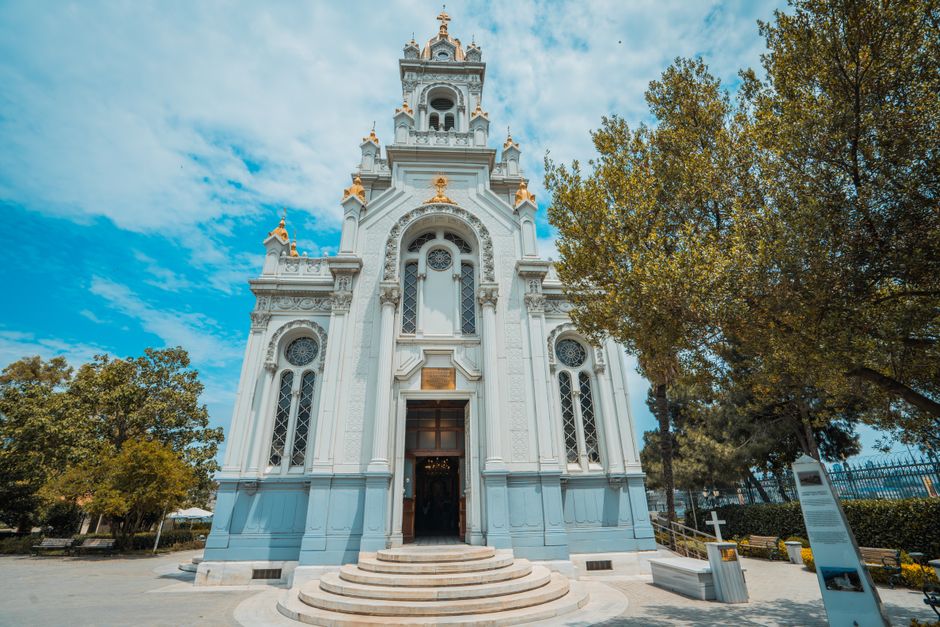
Whether you're new to faith or returning after a long time away, finding a church is an act of courage. You're looking for belonging. You're opening yourself to community. That matters.
Give yourself permission to be picky. Your spiritual home should feel like home. It should be a place where you can be honest, where healing is honored, and where your whole self is welcome. Don't settle for less.
What's the difference between a church and a denomination?
A church is a local congregation of believers. A denomination is a larger family of churches that share similar beliefs and practices. For example, you might attend a Baptist church (the denomination) in your town (the local congregation). Denominations provide structure, training, and shared values, but your relationship is really with your local church community.
Can you be a Christian without going to church?
Your relationship with Jesus doesn't depend on attending church. But church provides community, accountability, teaching, and belonging that most people need for spiritual growth and healing. Faith can feel isolating when you walk it alone. Church is where you find your people.
What should I do if I've been hurt by a church?
Church hurt is real. Leaders fail. Communities disappoint. Hypocrisy and judgment happen. If this has happened to you, your pain is valid. Take time to heal. Talk to a licensed counselor or therapist who understands both faith and trauma. And then, when you're ready, try again. There are churches out there that are doing this work right, with humility and authenticity.
Is it okay to visit churches before committing?
Absolutely. Visiting multiple churches is wise, not unfaithful. You're looking for the right fit for your spiritual home. Take your time. Pay attention to how people treat you, what's taught, and whether the community feels authentic. Trust your instincts.
Books by Apostle Paula L. Hester
See the Books →