
The Bible is the central text of Christianity and a source of spiritual strength, comfort, and direction for millions of believers worldwide. But beyond its religious significance, Scripture offers a powerful foundation for healing, identity, and wholeness, especially when you're walking through seasons of pain, rejection, or uncertainty.
If you're searching for how to connect with the Bible more deeply, or you're new to understanding its role in your spiritual journey, this guide will help you build a meaningful relationship with Scripture that transforms not just your faith, but your life.
What Is the Bible and Why It Matters for Your Healing
The Bible is an anthology of sacred texts that blend history, poetry, prophecy, wisdom, and spiritual guidance. It's not one book written by one author, but rather a collection of writings that came together over centuries, all pointing to God's character and His love for humanity.
For believers, the Bible serves as more than just a historical or religious document. It's a mirror that reflects your own struggles and triumphs. It's a voice speaking directly into your pain. When you open Scripture with an open heart, you find people who have walked similar roads, prophets who have questioned God like you have, and accounts of transformation that prove healing is possible.
Why does this matter? Because Apostle Paula L. Hester has spent years combining faith with the kind of honest conversation about mental health, trauma, and identity that the church doesn't always make space for. The Bible becomes alive when you read it not as a rule book, but as a conversation partner in your healing journey.
Related: Healing Scriptures for the Sick: Biblical Comfort & Faith
How to Read and Engage with the Bible Daily
Consistency matters when you're building a relationship with Scripture. You don't need to read the entire Bible in one sitting or even understand every verse. You need to show up, read, and let God speak to your heart.
Start small. Choose one verse or one short passage each day. Morning is often the best time because your mind is fresh and the day hasn't overwhelmed you yet. Even five minutes of focused Scripture reading can shift your entire perspective.
Use daily Bible reading plans. These guides walk you through Scripture in a structured way, whether you want to read the entire Bible in a year, focus on the Gospels, or explore themes like forgiveness, boundaries, or faith. A plan removes the paralysis of not knowing where to start.
Read actively. Don't just scan the words. Ask yourself what this passage is saying to your specific situation right now. If you're walking through rejection, which verses speak to your worth? If you're setting boundaries, what does Scripture say about honoring yourself and others?
Write it down. Keep a journal or notebook next to your Bible. Jot down verses that strike you, questions that come up, or how a passage connects to your life. This practice anchors Scripture in your memory and creates a record of your spiritual growth over time.
Memorize key passages. When you memorize Scripture, it becomes a resource you can access anytime, anywhere. During anxiety, in moments of doubt, or when you need to remember who you are in Christ, these verses become spiritual anchors.
Using Digital Platforms and Tools for Scripture Study
You don't have to own a physical Bible to engage with Scripture consistently. Digital Bible platforms and apps make it easier than ever to read, hear, and study God's Word wherever you are.
Mobile Bible apps let you read Scripture on your phone, tablet, or computer. Many apps offer multiple Bible translations, so you can compare how different versions render the same passage. Some let you highlight verses, add notes, take bookmarks, and track your reading progress over time.
Audio Bible resources are powerful if you're not a visual reader or if you want to hear Scripture while commuting, exercising, or doing household tasks. Hearing God's Word spoken aloud often creates a different experience than reading silently.
Bible study resources** within these platforms provide commentary, background information, and guided devotionals that deepen your understanding. If you want to know the historical context of a passage or explore what scholars have written about a particular verse, these tools make that available instantly.
Share and discuss Scripture. Many platforms let you highlight a verse and send it to friends or family. Sharing Scripture with people you trust creates accountability and opens doors for meaningful spiritual conversations.
Finding Your Way Through Scripture When Life Gets Heavy
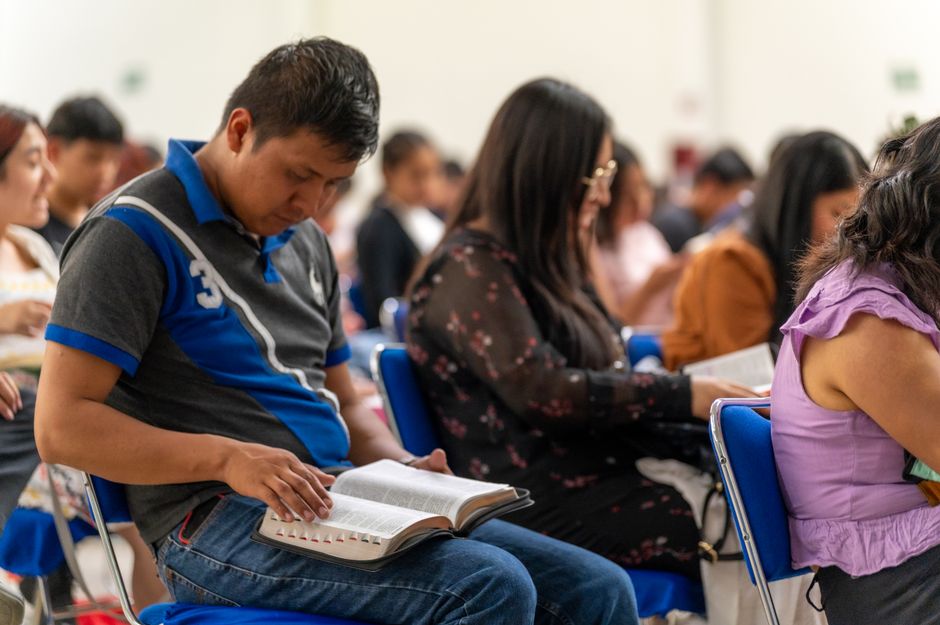
Some seasons of life feel too heavy for casual Bible reading. If you're walking through depression, trauma, rejection, or suicidal thoughts, you need Scripture that meets you where you are, not where you think you should be.
The Bible doesn't shy away from hard emotions. The Psalms are full of anger, despair, and honest questions directed at God. Job wrestled with suffering for chapters. Jeremiah cried out, "Why is my pain perpetual, and my wound incurable, which refuseth to be healed?" (Jeremiah 15:18, KJV). God makes space for your tears, your rage, and your doubts.
When you're in deep pain, choose passages that validate your experience first. Then gradually move toward passages about hope, restoration, and God's faithfulness. This isn't about toxic positivity. It's about honoring where you are while letting Scripture guide you toward healing.
If you're in immediate crisis or thinking about suicide, contact emergency services or a crisis line right away. Faith and professional support work together. The Bible can be a companion to your healing, but it is never a substitute for the help of a licensed professional who can walk with you through trauma.
Related: Christian Psychology: Faith and Healing Working Together
Building a Community Around Scripture
The Bible wasn't meant to be read in isolation. Throughout Scripture, God's people gather, discuss, question, and pray together. Faith communities use Scripture distribution and Bible study as part of their outreach and partnership efforts, creating space for collective spiritual growth.
Consider joining a Bible study group, a church community, or a faith-centered sisterhood where people gather around Scripture with authenticity and vulnerability. These communities become places where your healing can be witnessed and supported.
When you share your spiritual journey and hear others' journeys, Scripture comes alive in new ways. You realize you're not alone in your doubts, your questions, or your longing for God. Apostle Paula L. Hester has built communities specifically designed for women seeking deeper connection to their faith, healing, and personal growth, spaces where Scripture becomes a thread connecting us to one another and to God's transformative power.
Books by Apostle Paula L. Hester
See the Books →Creating a Personal Scripture Practice That Lasts
The goal isn't perfection. It's consistency and connection.
Start by deciding when and where you'll read. Will it be your kitchen table with coffee? On the porch before the day begins? In the car before work? Attach your Bible reading to an existing habit, so it becomes part of your routine without requiring willpower.
Choose a translation that speaks to your heart. The King James Version has a particular rhythm and weight. Newer translations are more conversational. Some Bibles include notes and study helps. Pick one that draws you in, not one that feels like an obligation.
Set realistic goals. Commit to reading for five or ten minutes daily rather than promising yourself you'll read for an hour and then abandoning the practice when life gets busy. Small, consistent steps build lasting habits.
Track your progress, celebrate it, and be gentle with yourself when you miss days. Spiritual disciplines aren't about shame. They're about creating rhythms of connection that nourish your soul and strengthen your faith.
What's the difference between different Bible translations?
Bible translations vary in how literally they render the original languages into English. Some prioritize word-for-word accuracy, while others focus on conveying the meaning and tone. The King James Version uses older, more poetic language. Newer translations use contemporary vocabulary. Pick one that helps you encounter Scripture authentically. You can always read multiple translations side by side to deepen your understanding.
Can I read the Bible out of order, or should I start at the beginning?
You can read the Bible in any order that serves your spiritual journey. Many people start with the Gospels (Matthew, Mark, Luke, John) because they center on Jesus. Others begin with Psalms for comfort and prayer. Some follow a structured reading plan that weaves through the entire Bible. There's no wrong way to enter Scripture. Start where you feel called, and let your engagement deepen over time.
What if I find passages in the Bible that confuse or trouble me?
Good questions and honest wrestling with Scripture are signs of a living faith. If a passage troubles you, read it in context, explore what scholars have written about its historical background, and discuss it with people you trust. The Bible is deep enough to hold your questions. Confusion often leads to deeper understanding when you're willing to sit with it.
How can I remember what I've read?
Write it down. Highlight it. Speak it aloud. Discuss it with others. Share it on social media or in messages to friends. The more senses you engage and the more ways you interact with Scripture, the more it stays with you. Consider keeping a spiritual journal where you record verses that stand out and how they connect to your life.
Books by Apostle Paula L. Hester
See the Books →