
If you're a woman in ministry, you already know the weight of it. You're called to lead, teach, counsel, and serve while navigating expectations that sometimes feel impossible to meet. Maybe you're a pastor, a worship leader, a chaplain, a Bible study facilitator, or serving in ways that don't have a title but matter deeply. Whatever your role, you deserve to know this: your ministry is valid, your voice matters, and you don't have to sacrifice your mental health or your humanity to do the work God called you to do.
Women in ministry are reshaping what leadership looks like in the church. But the path isn't always easy, and the support you need might not be obvious. Let's talk about what it really means to serve as a woman in ministry, what you're up against, and how to build a foundation strong enough to sustain you for the long haul.
Understanding Your Role as a Woman in Ministry
Women in ministry come in all shapes and sizes. You might be preaching from the pulpit, leading worship, running a nonprofit, mentoring younger believers, or serving in the background making sure everything else runs smoothly. No matter where you are, you're part of a legacy of women who answered God's call even when the world questioned whether they belonged.
Your role isn't just about the tasks you perform. It's about the spiritual authority you carry and the doors you're opening for other women coming behind you. Scripture honors women in leadership. In the Book of Judges, Deborah led Israel as a judge and prophetess. Priscilla taught Apollos the way of God more accurately. Phoebe was a deacon in the church at Cenchrea. These weren't accidents. God placed women in positions of influence and authority, and He still does.
But here's what's real: being a woman in ministry often means carrying an extra load. You might be held to higher standards. You might have to prove yourself over and over. You might face judgment about your appearance, your marital status, your parenting, or your choices in ways that male colleagues simply don't. That pressure is real, and it affects your mental health, your confidence, and your ability to show up fully in your calling.
The Unique Challenges Women in Ministry Face
If you're serving as a woman in ministry, you're probably familiar with at least some of these struggles. Maybe all of them.
You might struggle with imposter syndrome. You did the work. You earned the credentials. You heard God call you. But there's still a voice in your head asking if you're really qualified, if people actually respect you, or if you're just there because someone felt bad.
You might feel isolated. Other women in ministry can be hard to find, especially in certain denominational or theological contexts. And when you can't talk openly about your doubts, your anxiety, your struggles with depression, or the burnout creeping up on you, that isolation deepens.
You might battle guilt about your boundaries. If you need time off, you feel guilty. If you say no to something, you wonder if you're failing God. If you prioritize your mental health or your family over another church event, shame whispers that you're not committed enough.
You might be navigating sexism, whether it's overt or subtle. Maybe your ideas are overlooked until a man repeats them. Maybe you're asked to do emotional labor that male leaders aren't expected to do. Maybe your authority is questioned in ways theirs isn't.
And if you're a woman of color in ministry, a divorced woman, a woman who's survived trauma or abuse, or a woman who openly acknowledges she goes to therapy, you might face even more layers of judgment and misunderstanding.
Building a Foundation That Holds You Up
You can't pour from an empty cup, and you can't lead from a broken place. That's not weakness. That's wisdom. And it's non-negotiable if you want to sustain your ministry over time.
Start by getting honest with yourself about your mental health. Are you anxious? Depressed? Burned out? Carrying trauma? These things don't mean you're not called. They mean you're human and you need support. Apostle Paula L. Hester teaches that faith and professional mental health support work together. Bringing Scripture and therapy together creates healing that sticks. If you're struggling, pair your faith with help from a licensed professional who can walk with you through what you're carrying.
Books by Apostle Paula L. Hester
See the Books →Next, establish non-negotiable boundaries. What are the things you need to show up as your best self? Maybe it's a day off each week. Maybe it's time for exercise, therapy, sleep, or family. Maybe it's saying no to certain types of ministry without feeling guilty. Whatever it is, protect it like your life depends on it. Because spiritually and emotionally, it does.
Build your community intentionally. You need people who know you, see you, and love you anyway. That might be other women in ministry, a prayer group, a life coach, a mentor, or a sisterhood of believers who get it. You need people who will call you out when you're running yourself into the ground and remind you that God doesn't require you to destroy yourself to serve Him.
Learn to recognize the difference between conviction and condemnation. Conviction is the Holy Spirit nudging you toward growth. Condemnation is shame, perfectionism, and the weight of expectations that were never yours to carry. Scripture says in Romans 8:1, "There is therefore now no condemnation to them which are in Christ Jesus." If what you're feeling is condemnation, it's not from God.
Walking Into Your Authority as a Woman in Ministry
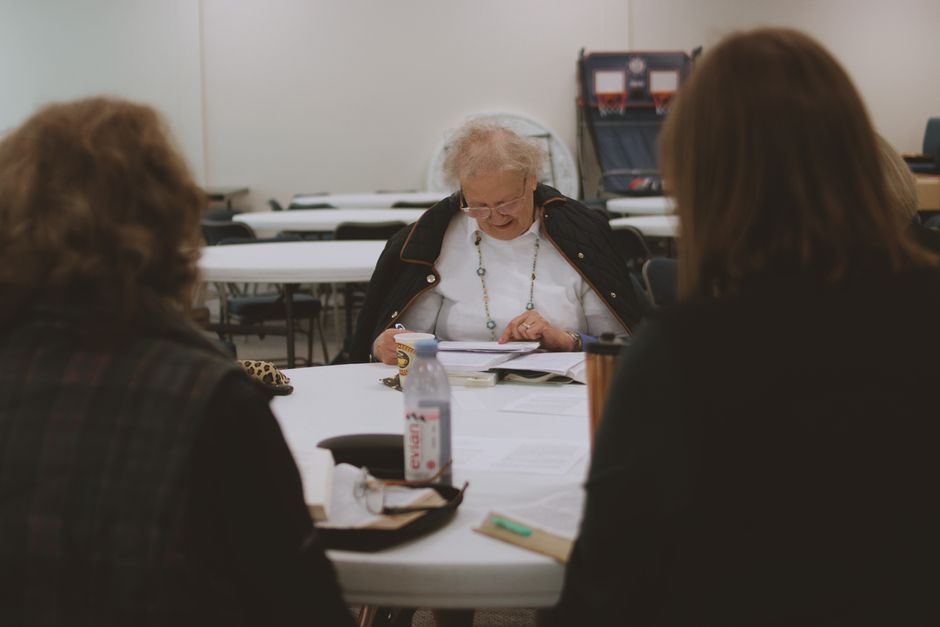
Your calling is real. Your gifts are real. Your voice is real. And you have permission to use all of it without shrinking to make others comfortable.
You don't have to apologize for taking up space. You don't have to dim your light so that insecure men feel safer. You don't have to pretend to be smaller, quieter, or less capable than you are. God didn't call you to minister from a place of fear or shame.
If you're in a context where women's leadership isn't fully affirmed, you might need to decide what that means for you. Some women push for change from within. Some women find communities where their gifts are celebrated. Some women plant their own ministries. There's no one right answer. But there is a right answer for you, and you have permission to pursue it.
Invest in your own development. Read. Take courses. Find mentors. Go to conferences. Learn from other women in ministry. Develop your preaching, your teaching, your counseling skills, your administrative abilities, whatever your role requires. When you're constantly growing, you're reminded that you belong, and you build the confidence that comes from knowing your stuff.
And please, please, please stop waiting for permission to do the work God called you to do. You don't need a man's approval. You don't need a vote from the board. You don't need everyone to understand your calling. You need to know that God called you, and that's enough. In Jeremiah 1:5, God says, "Before I formed thee in the belly I knew thee; and before thou camest forth out of the womb I sanctified thee." He knew you. He set you apart. That calling existed before anyone else's opinion about it.
Creating Sustainable Ministry for the Long Haul
You can't run forever on fumes. Ministry burnout is real, and it's not a spiritual failing. It's what happens when you give everything and never receive, when you care deeply but never let anyone care for you.
Structure your ministry life so that it's sustainable. That means having a Sabbath. It means having hobbies that have nothing to do with church. It means having friendships and family relationships that matter as much as your ministry does. It means building rest into your week, not just on your deathbed.
Be honest about your capacity. You're not responsible for fixing everyone's problems. You can't be the answer to every prayer request. You can't meet every need. That's God's job, and trying to do it yourself will destroy you. Set realistic expectations for what you can give, and trust God with what you can't.
Find a peer group of other women in ministry who understand what you're going through. Whether that's a formal network, a monthly coffee date, an online community, or a church-based group, you need people who get it. You need to know you're not crazy, you're not alone, and your struggles are real.
If you're looking for deeper support in integrating your faith with your mental health and your ministry calling, Apostle Paula L. Hester offers life and business coaching grounded in Scripture and practical wisdom. Her approach brings faith and therapy together, which is exactly what many women in ministry need to walk this path with authenticity and strength.
Frequently Asked Questions
How do I deal with imposter syndrome as a woman in ministry?
Imposter syndrome thrives in silence and isolation. Start by naming it. Tell someone you trust that you feel like a fraud even though you're not. Then get curious about where those feelings come from. Are they rooted in legitimate feedback, or are they rooted in internalized messages about women, authority, and leadership? Often, it's the latter. When you recognize the lie, you can start replacing it with truth. Scripture, therapy, and community all help with this. And remember, even experienced leaders sometimes feel uncertain. That's not imposter syndrome. That's being human.
What if my church or ministry doesn't fully affirm women in leadership?
That's a decision you have to make for yourself. Some women stay and work toward change. Some women find communities that affirm their gifts. Some women start their own ministries. All of those are valid. But here's what's not valid: staying in a place that constantly tells you you're not enough and expecting that to be good for your mental health or your calling. God doesn't require you to sacrifice yourself on the altar of someone else's theology. Honor yourself and your call, even if it means making a hard change.
How do I set boundaries without feeling guilty?
Guilt is often a sign that you're doing something right. It means you care. But caring doesn't mean saying yes to everything. Boundaries are not selfish. They're necessary. And God supports them. Jesus took time away to pray and rest. He said no to people who wanted His help. He didn't heal everyone or fix every problem. He did what He was called to do and trusted the rest to God. You can do the same. When guilt comes up, ask yourself: Is this boundary protecting something important? If the answer is yes, keep the boundary and let the guilt pass.
What should I do if I'm experiencing burnout or depression?
First, tell someone. Don't carry this alone. Second, reach out to a licensed professional who can help you work through what's happening. Third, take it seriously. Burnout and depression are not signs of weak faith. They're signs that you need support and rest. You might need to step back from some responsibilities temporarily. You might need medication. You might need intensive therapy. Whatever you need, honor it. God doesn't want you suffering in silence. He wants you healed, whole, and able to show up as your best self. If you're thinking about harming yourself, reach out to emergency services or a crisis line right away. Your life matters.
Books by Apostle Paula L. Hester
See the Books →