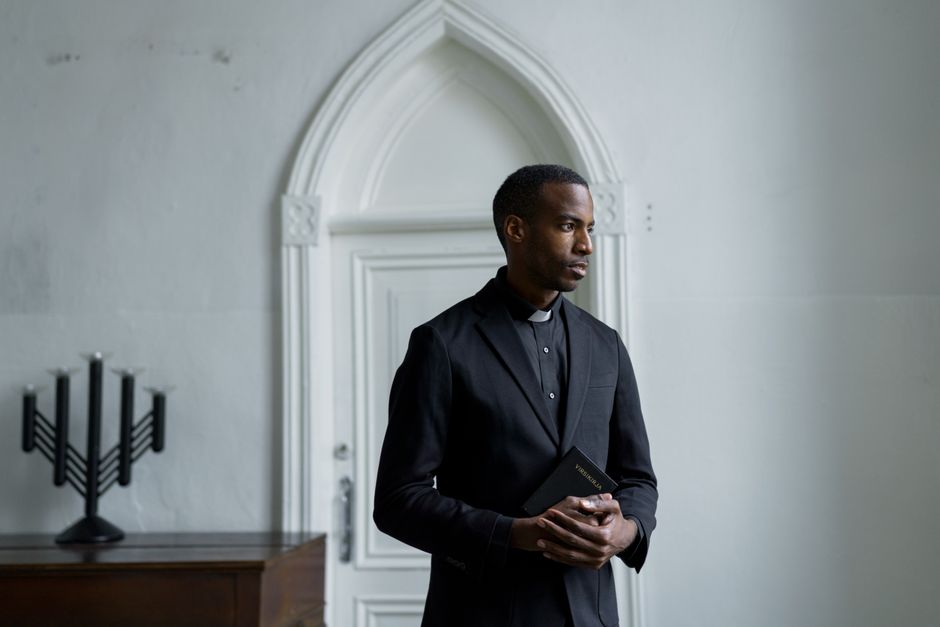
Being Christian means you've decided to follow Jesus Christ and anchor your entire life around His teachings, His sacrifice, and His promise of redemption. It's not just a label you wear on Sundays. It's a decision to let faith reshape how you think, how you love, and how you show up in the world.
If you're asking this question, you might be new to faith, returning after a long time away, or honestly wrestling with what it all means. That's okay. Real Christianity invites your questions.
Christian Faith Goes Beyond Belief
A lot of people think being Christian just means believing in God. But Christian faith is deeper than that.
You can believe God exists and still live like He doesn't matter. Being Christian means you actively receive Jesus Christ as your Savior and Lord, and you let that relationship change everything. In the book of John, Scripture tells us, "As many as received him, to them gave he power to become the sons of God, even to them that believe on his name" (John 1:12, KJV).
Related: Couples Counseling: A Faith-Centered Guide to Healing Your Relationship
That power to become a child of God is real. It shifts your identity. It gives you purpose. And it connects you to a global family of believers who are walking the same journey.
Being Christian means you're learning to trust God when things are hard. You're practicing forgiveness when it feels impossible. You're showing compassion to people who don't deserve it, because Jesus showed you that same grace first.
Christian Life Includes Healing and Honesty
Here's something I wish I understood sooner: being Christian doesn't mean you have to pretend everything is fine.
Jesus didn't call you to hide your pain, deny your struggles, or act like you've got it all figured out. He called you to come as you are. In Matthew, He says, "Come unto me, all ye that labour and are heavy laden, and I will give you rest" (Matthew 11:28, KJV).
That means your depression matters. Your anxiety is real. Your trauma deserves attention. Being Christian means you can bring all of it to God and also seek help from licensed professionals who understand mental health. Faith and therapy work together, not against each other.
A lot of Christian women carry shame about needing support beyond prayer. But healing is holistic. God works through many channels. Apostle Paula L. Hester teaches that bringing faith and therapy together is actually an act of wisdom, not weakness.
Books by Apostle Paula L. Hester
See the Books →Your emotional health matters to God. Your mental wellness is part of your wholeness. Being Christian means you're allowed to be human, to struggle, and to ask for help.
Being Christian Means Living Out Your Values
Christianity isn't just what you believe in your head. It's what you do with your hands.
Jesus spent His ministry serving people. He fed the hungry, healed the sick, sat with the lonely, and challenged systems that hurt the vulnerable. He tells His followers, "Inasmuch as ye have done it unto one of the least of these my brethren, ye have done it unto me" (Matthew 25:40, KJV).
That's the heart of Christian living. Your faith becomes real when you use it to help others. When you stand against injustice. When you protect the vulnerable. When you fight for people who can't fight for themselves.
Being Christian might mean you're working in a nonprofit. It might mean you're volunteering in your community. It might mean you're listening to a friend who's breaking and offering her your presence instead of judgment. It might mean you're examining your own biases and choosing to grow.
Your Christianity should make the world look more like God's kingdom. More just. More loving. More whole.
Christian Community Keeps You Strong
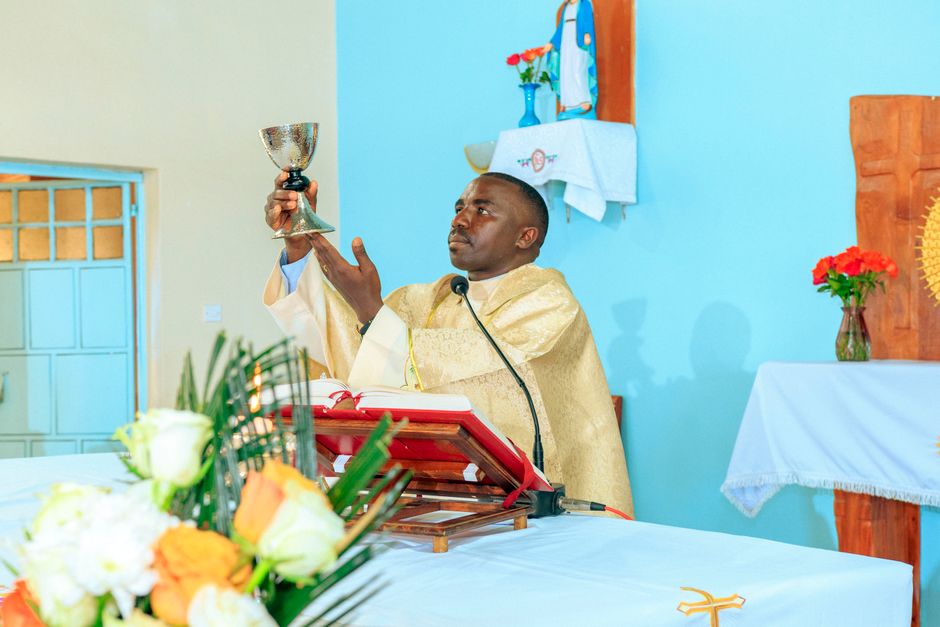
You're not meant to walk this faith alone.
Being Christian includes finding your people. That might be a church, a prayer group, a Bible study, or a sisterhood of women who get it. It's community where you can be real, where you're held accountable in love, and where people actually know your name and your story.
Scripture says, "And let us consider one another to provoke unto love and to good works: Not forsaking the assembling of ourselves together, as the manner of some is; but exhorting one another" (Hebrews 10:24-25, KJV).
Community matters. Your faith grows stronger when you're surrounded by people who believe, who challenge you, and who've got your back on hard days.
If you're looking for community rooted in healing, faith, and real talk about mental health and personal growth, Apostle Paula L. Hester offers spaces where Christian women can show up as they are, share their stories, and grow together.
Being Christian Is a Daily Choice
Here's the real talk: being Christian doesn't mean you become perfect or that your life suddenly gets easy.
You're still going to make mistakes. You're still going to feel angry, afraid, and discouraged sometimes. You're still going to question God. You're still going to mess up.
But you're doing all of it as someone who's been loved and forgiven by Jesus. That changes everything. It means you can repent and start again. It means you don't have to carry shame. It means your worth isn't tied to your performance.
Being Christian is about returning to Jesus every single day. Reading His word. Praying honestly. Checking your heart. Forgiving yourself like He forgave you. Growing. Changing. Letting His love remake you from the inside out.
It's a journey, not a destination. And you get to take it at your own pace, with God's patience and God's grace holding you the whole way.
People Also Ask
Can you be Christian and still struggle with mental health?
Absolutely. Mental health struggles are not a sign of weak faith. They're a human experience that deserves care and treatment. God wants you whole, and that sometimes means working with a licensed professional alongside your spiritual practice. Both matter.
What if I don't believe everything perfectly?
Doubt is normal. Wrestling with faith is normal. God is big enough to handle your questions. You don't have to have it all figured out to start following Jesus. Faith grows over time as you practice it, read Scripture, and experience God's faithfulness in your life.
Do I have to go to church to be Christian?
No, but community is powerful. You can pray at home and read your Bible alone, but gathering with other believers strengthens your faith, holds you accountable, and reminds you that you're part of something bigger. Church isn't perfect, but it's designed to help you grow.
Related: What Makes a Christian Bible Teacher: Faith, Calling & Purpose
What do I do if I'm in an unsafe situation?
Being Christian does not mean staying in an abusive relationship or ignoring your safety. God does not want you harmed. If you're in danger, contact emergency services or a crisis line immediately. Your life and wellbeing matter. Help is available, and reaching out is an act of faith, not failure.
Books by Apostle Paula L. Hester
See the Books →