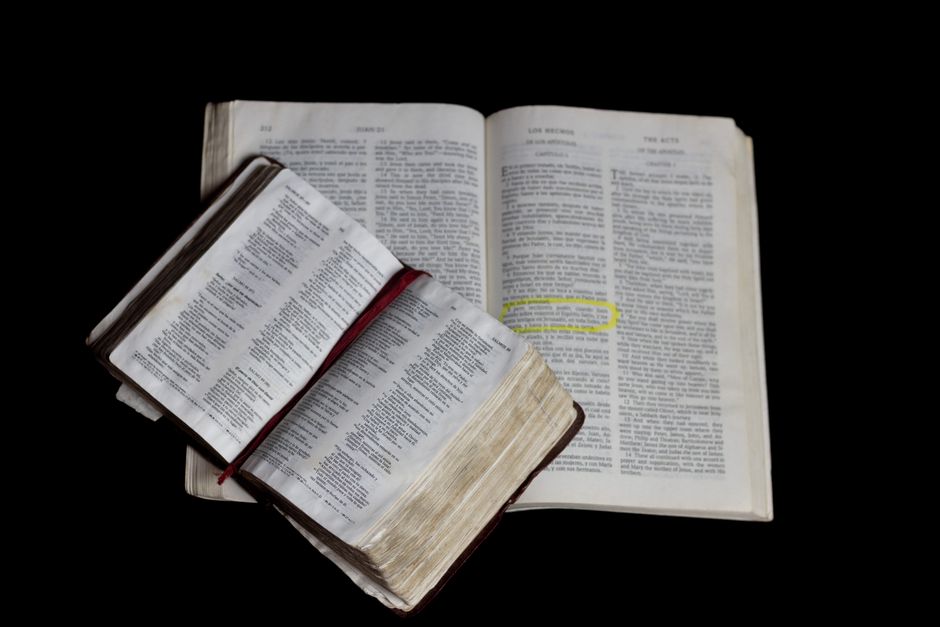
Bible study is simply spending time reading God's Word and letting it speak to your heart. It's not about being a scholar or having all the answers. It's about showing up, opening the pages, and letting Scripture meet you where you are.
If you've been wondering where to even start with bible study, you're not alone. A lot of believers feel lost when they think about diving into Scripture. They worry they won't understand it, or they're not smart enough, or they don't know the "right way" to do it. Here's the truth: there is no one right way. There's only your way.
Choose Your Translation
One of the first things that trips people up is the translation. The Bible exists in many different versions, and picking one can feel overwhelming.
The King James Version (KJV) has beautiful, poetic language that many believers love. It reads like poetry in places and carries weight. Other translations use more modern English, which can feel easier to understand on your first read.
My recommendation? Pick one translation and stick with it for now. Don't worry about having every version. Consistency matters more than variety when you're starting out. You can explore other translations later once you're comfortable with Scripture.
Decide on a Format That Fits Your Life
Bible study comes in different shapes and sizes. The goal is finding what actually works for you, not what sounds impressive or spiritual.
Some people love reading straight through the Bible in order. Others prefer studying one book at a time. Some dig into a single topic, like forgiveness or boundaries or joy, and see what Scripture says about it across the whole Bible.
There are study materials designed for individual reading if you like quiet morning time with God. There are small group formats if you want to study with other believers and discuss what you're learning. You can find age-specific materials too, whether you're studying as a woman in leadership, raising children, or walking through a particular season of life.
The best format is the one you'll actually use. If you hate waking up early, don't force yourself into a dawn bible study. If you love community, find a small group. If you're an introvert who needs silence, go solo. Apostle Paula L. Hester's approach to faith emphasizes meeting yourself where you are, including in your spiritual practice.
Use Resources That Deepen Understanding
When you're reading Scripture, you might hit passages that feel confusing or dense. That's normal. Commentary resources exist to help you understand the context and meaning of what you're reading.
A commentary explains the history behind a passage, what the original language meant, and how it connects to other parts of the Bible. You don't need a fancy theological degree to understand these. A good commentary explains things in plain language.
You can find commentaries online, in apps, in books, or paired with study Bible versions. Some study materials include commentary right alongside the verses so you're not switching between different books or screens.
Study Scripture With Practical Application in Mind

Reading the Bible and actually applying it to your life are two different things. When you're doing bible study, ask yourself: What is God saying here? What does this mean for how I live tomorrow?
Scripture isn't just ancient wisdom to admire from a distance. It's alive and active. It speaks to your real struggles, your real relationships, your real fears and hopes. When you study with application in mind, you're not just gaining information. You're actually letting God's Word change you.
If you're studying a passage about boundaries, think about where you need boundaries in your own life. If you're reading about forgiveness, consider who you need to forgive or who you need to ask forgiveness from. If you're in a passage about shame or rejection, let those words speak directly to what you're carrying.
Build a Consistent Routine
Consistency beats intensity. Fifteen minutes a day is going to transform you more than three hours once a month.
Set a realistic time. Maybe it's with your coffee before anyone else wakes up. Maybe it's on your lunch break. Maybe it's in the evening when you're winding down. It doesn't matter when, as long as it's a time you can actually show up.
Start small. One chapter. A few verses. A topic study. You can always do more, but the point is building a habit you'll stick with. When bible study becomes part of your rhythm instead of another thing on your to-do list, that's when real growth happens.
Books by Apostle Paula L. Hester
See the Books →If you miss a day, don't spiral. Just come back the next day. This isn't about perfection. It's about relationship with God. He meets you in consistency, not in flawlessness.
Consider Joining or Starting a Small Group
There's something powerful about studying Scripture with other believers. You hear insights you wouldn't have thought of on your own. You feel less alone in your questions and struggles. Your faith deepens when it's tested and discussed with others.
Small group bible study formats give you the structure and accountability you might need. They also give you community, which is healing in itself. If your church or spiritual community offers a study group, consider giving it a try. If not, you can start one with just a few women you trust.
The beauty of group study is that you don't need a fancy curriculum or an expert leader. You just need people willing to show up, open God's Word, and be honest about what they're finding and feeling as they read.
Connect Your Study to Your Healing Journey

For many believers, especially those of us who've walked through trauma, shame, or deep pain, bible study becomes part of our healing. Scripture speaks to rejection, betrayal, abandonment, starting over, and finding your voice. God's Word affirms that your pain matters and that healing is possible.
If you're studying Scripture while also working through something hard, that's beautiful. Faith and healing go together. Let your bible study be a safe place where you can bring your whole self, your questions, your doubts, and your desperate hope that God is real and good.
When you need support beyond what Scripture alone can offer, pairing your faith practice with help from a licensed professional is wise and brave. Your spiritual life and your mental health matter equally. Finding resources that honor both your faith and your healing is part of walking this journey well.
Stay Curious and Keep Going
Bible study is not a destination. It's a practice. You're not trying to finish the Bible or master Scripture. You're developing a lifelong relationship with God's Word.
Related: Couples Counseling: A Faith-Centered Guide to Healing Your Relationship
Related: What Does an Apostle Do? A Faith Leader's Guide
Some seasons you'll study deeper. Some seasons you'll just read a verse and meditate on it. Some seasons you'll join a group. Some seasons you'll study alone. All of it counts. All of it matters.
Give yourself permission to be a beginner. Give yourself permission to ask questions. Give yourself permission to let Scripture speak to you in ways that are personal and specific to your life. That's what bible study is really about.
What's the best way to start a bible study routine?
Pick a translation you want to use, choose a format that fits your life, set a realistic time each day, and start small. Even ten or fifteen minutes a day builds momentum and transforms your relationship with Scripture. The best routine is one you'll actually stick with, not the one that sounds most impressive.
Do I need a study Bible or commentary to understand Scripture?
You don't need anything fancy to start. A regular Bible and your own reflection will teach you plenty. But as you grow curious and hit passages that confuse you, adding a commentary or study notes can deepen your understanding of historical context and language. It's helpful but not required when you're beginning.
Can I do bible study in a group if I'm shy or new to faith?
Absolutely. Small groups have all kinds of personalities. You can listen and learn without sharing everything. Most groups welcome questions and create space for people at different places in their faith journey. The community itself is often as valuable as the study material.
How do I apply Scripture to my real life?
As you read, ask yourself what God is saying to you specifically. What's the one thing this passage speaks to in your current situation? How can you live differently because of what you just read? Application is personal. It's the bridge between ancient wisdom and your actual Wednesday afternoon.
Books by Apostle Paula L. Hester
See the Books →